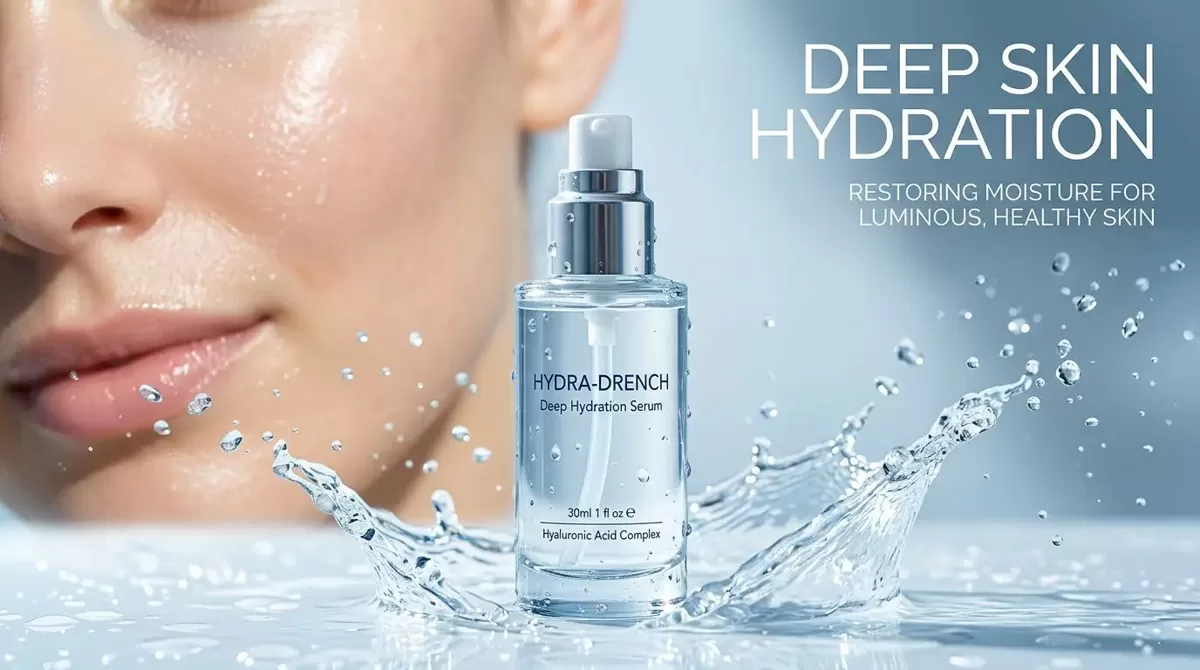
Deep Skin Hydration: A Beauty Guide for the Baltic Climate

Deep_Skin_Hydration_A_Beauty_Guide_for_the_Baltic_Climate.webp

Living by the sea dictates its own self-care rules. Our climate, with its piercing winds from the gulf, high humidity, frequent temperature fluctuations, and a long central heating season, is a real test for the skin. In such conditions, hydration ceases to be just a recommendation and becomes the ultimate secret to maintaining youthfulness and freshness.

The epidermis consists primarily of water. When moisture is sufficient, the skin looks smooth, plump, and radiant. But as soon as the balance is disrupted, collagen and elastin production slows down, the skin loses its tone, and its protective barrier weakens against aggressive environmental factors.
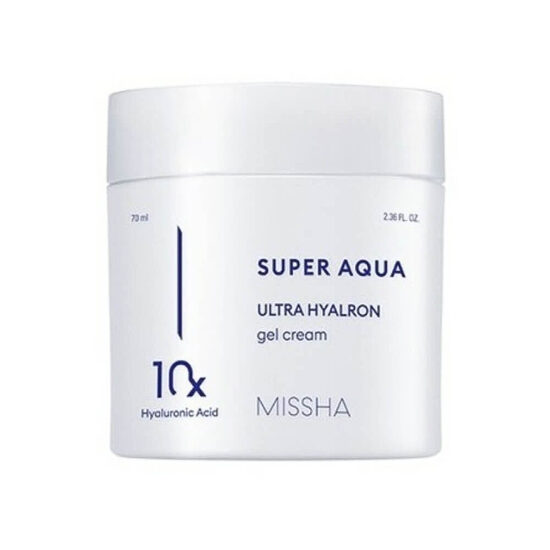
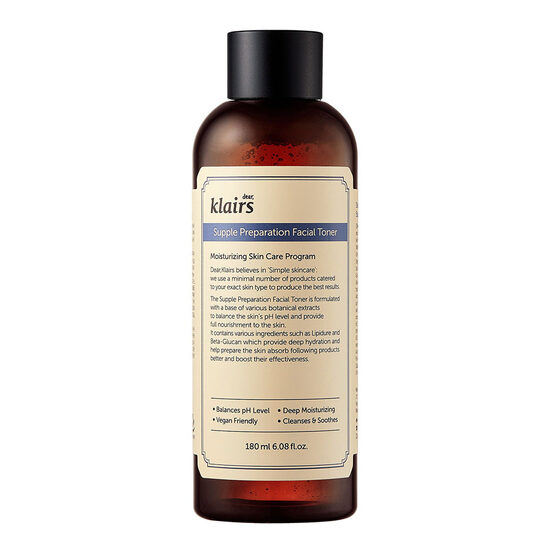
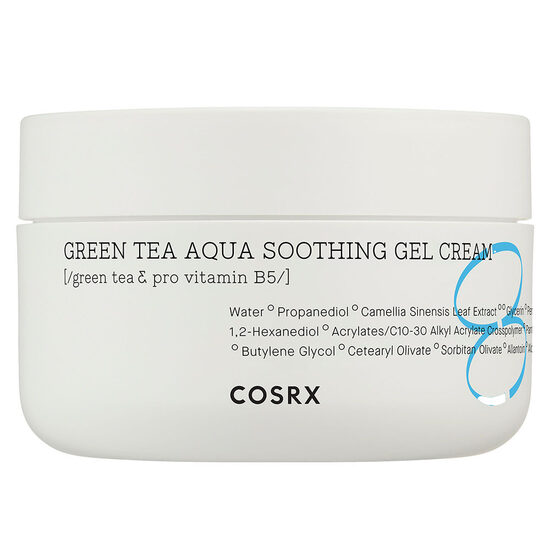
Korean Cosmetics with a Deep Hydrating Effect

How to Identify Dehydration?

A lack of moisture can affect any skin type. Here is how it manifests:

  • Dry skin: a constant feeling of tightness, redness after walking in the wind, flaking, and discomfort.

  • Oily skin: trying to protect itself from dry indoor air, the skin begins to produce even more sebum. An oily sheen appears, triggering breakouts.

  • Combination skin: a sharp contrast between a shiny T-zone and dry, tight cheeks.

  • Normal skin: dull, "tired" complexion, loss of usual smoothness, and the appearance of fine dehydration lines.


The Gold Standard: Actives for Deep Hydration 

An effective product works in two directions: it attracts moisture and "locks" it inside, preventing evaporation. Look for the following components in the ingredients list:

  • Hyaluronic Acid: works like a sponge, attracting and retaining water. In cosmetics, high-molecular-weight (creates a protective barrier on the surface) and low-molecular-weight (penetrates deeper, plumping fine lines from within) are most commonly used.

  • Glycerin: deeply hydrates and strengthens the protective barrier. It creates a weightless moisture-retaining veil—an ideal component for protection against bad weather.

  • Urea (Carbamide): not only moisturizes but also gently exfoliates dead skin cells, improving skin texture and reducing sensitivity.

  • Vitamin E: a powerful antioxidant. Retains moisture, brightens skin tone, and protects against free radicals (especially important for neutralizing the effects of urban stress).

  • Panthenol (Provitamin B5): a true lifesaver for windburned skin. Instantly soothes, heals micro-damage, and improves elasticity.

  • Aloe Vera: a natural elixir packed with vitamins, minerals, and amino acids. It provides a feeling of freshness and reduces redness.


Seasonal Strategy: Adapting to the Weather

Skincare in our region requires flexibility and a regular rotation of textures.

  • Winter and Late Autumn: Icy wind and dry air from heaters destroy the hydrolipid barrier. Switch to dense, nourishing creams. Look for ceramides and natural oils (such as shea butter) in the formulas. A mandatory condition for preserving beauty is installing a humidifier at home and in the office.

  • Summer: The Baltic sun is deceptive, and humidity can be high. Choose light gel textures and fluids that won't clog pores. And remember: SPF protection is mandatory every day, even if the sky is overcast.

  • Off-season (Spring/Early Autumn): A time of temperature rollercoasters. Focus on recovery: add soothing serums and sheet masks to your routine to boost skin immunity.


5 Rules of Daily Beauty Routine

  1. Correct Layering: Hydration only works on clean skin. After removing makeup and gentle cleansing, apply a toner (within the first seconds after washing), then a hydrating serum, and "seal" everything with a cream tailored to your skin type.

  2. Help from Within: Apply products containing hyaluronic acid to slightly damp skin. Don't forget to drink enough clean water throughout the day and monitor the balance of healthy fats in your diet.

  3. Thermal Water with Caution: When using sprays in a dry, heated office, be sure to blot your face with a tissue after one minute; otherwise, the evaporating water will pull moisture out of the skin itself.

  4. Barrier Protection: The hydrolipid mantle is your primary shield. Avoid aggressive cleansing that leaves skin feeling "squeaky clean," as it destroys this thin protective layer.

  5. Anti-Age Support: Mature skin loses moisture faster due to a decline in the synthesis of its own hyaluronic acid. Incorporate intensive serums—their concentration of active ingredients is higher than in basic creams, providing a noticeable lifting and smoothing effect.